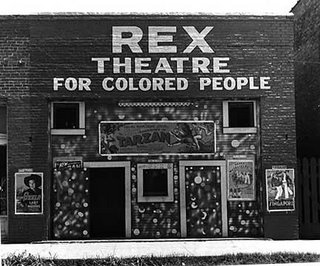
Mary Reyonlds
Oral History Of Her Days As A Slave
by Mary ReynoldsUS Citizen/Former slave
Circa 1930
"My paw's name was Tom Vaughn and he was from the north, born free man and lived and died free to the end of his days. He wasn't no eddicated man, but he was what he calls himself a piano man. He told me once he lived in New York and Chicago and he built the insides of pianos and knew how to make them play in tune. He said some white folks from the south told he if he'd come with them to the south he'd find a lot of work to do with pianos in them parts, and he come off with them.
"He saw my maw on the Kilpatrick place and her man was dead. He told Dr. Kilpatrick, my massa, he'd buy my maw and her three chillun with all the money he had, iffen he'd sell her. But Dr. Kilpatrick was never one to sell any but the old niggers who was part workin' in the fields and past their breedin' times. So my paw marries my maw and works the fields, same as any other nigger. They had six gals: Martha and Pamela and Josephine and Ellen and Katherine and me.
"I was born same time as Miss Sara Kilpatrick. Dr. Kilpatrick's first wife and my maw come to their time right together. Miss Sara's maw died and they brung Miss Sara to suck with me. It's a thing we ain't never forgot. My maw's name was Sallie and Miss Sara allus looked with kindness on my maw.
We sucked till we was a fair size and played together, which wasn't no common thing. None the other li'l niggers played with the white chillun. But Miss Sara loved me so good.
"I was jus' bout big nough to start playin' with a broom to go bout sweepin' up and not even half doin' it when Dr. Kilpatrick sold me. They was a old white man in Trinity and his wife died and he didn't have chick or child or slave or nothin'. Massa sold me cheap, cause he didn't want Miss Sara to play with no nigger young'un. That old man bought me a big doll and went off and left me all day, with the door open. I jus' sot on the floor and played with that doll. I used to cry. He'd come home and give me somethin' to eat and then go to bed, and I slep' on the foot of the bed with him. I was scart all the time in the dark. He never did close the door.
"Miss Sara pined and sickened. Massa done what he could, but they wasn't no peartness in her. She got sicker and sicker, and massa brung nother doctor. He say, You li'l gal is grievin' the life out her body and she sho' gwine die iffen you don't do somethin' bout it.' Miss Sara says over and over, I wants Mary.' Massa say to the doctor, That a li'l nigger young'un I done sold.' The doctor tells him he better git me back iffen he wants to save the life of his child. Dr. Kilpatrick has to give a big plenty more to git me back than what he sold me for, but Miss Sara plumps up right off and grows into fine health. "Then massa marries a rich lady from Mississippi and they has chillun for company to Miss Sara and seem like for a time she forgits me.
"Massa Kilpatrick wasn't no piddlin' man. He was a man of plenty. He had a big house with no more style to it than a crib, but it could room plenty people. He was a medicine doctor and they was rooms in the second story for sick folks what come to lay in. It would take two days to go all over the land he owned. He had cattle and stock and sheep and more'n a hundred slaves and more besides. He bought the bes' of niggers near every time the spec'lators come that way. He'd make a swap of the old ones and give money for young ones what could work. "He raised corn and cotton and cane and taters and goobers, sides the peas and other feedin' for the niggers. I member I helt a hoe handle mighty onsteady when they put a old women to larn me and some other chillun to scrape the fields. That old woman would be in a frantic. She'd show me and then turn bout to show some other li'l nigger, and I'd have the young corn cut clean as the grass. She say, For the love of Gawd, you better larn it right, or Solomon will beat the breath out you body.' Old man Solomon was the nigger driver.
"Slavery was the worst days was ever seed in the world. They was things past tellin', but I got the scars on my old body to show to this day. I seed worse than what happened to me. I seed them put the men and women in the stock with they hands screwed down through holes in the board and they feets tied together and they naked behinds to the world. Solomon the the [sic] overseer beat them with a big whip and massa look on. The niggers better not stop in the fields when they hear them yellin'. They cut the flesh most to the bones and some they was when they taken them out of stock and put them on the beds, they never got up again.
"When a nigger died they let his folks come out the fields to see him afore he died. They buried him the same day, take a big plank and bust it with a ax in the middle nough to bend it back, and put the dead nigger in betwixt it. They'd cart them down to the graveyard on the place and not bury them deep nough that buzzards wouldn't come circlin' round. Niggers mourns now, but in them days they wasn't no time for mournin'.
"The conch shell blowed afore daylight and all hands better git out for roll call or Solomon bust the door down and get them out. It was work hard, git beatin's and half fed. They brung the victuals and water to the fields on a slide pulled by a old mule. Plenty times they was only a half barrel water and it stale and hot, for all us niggers on the hottes' days. Mostly we ate pickled pork and corn bread and peas and beans and taters. They never was as much as we needed.
"The times I hated most was pickin' cotton when the frost was on the bolls. My hands git sore and crack open and bleed. We'd have a li'l fire in the fields and iffen the ones with tender hands couldn't stand it no longer, we'd run and warm our hands a li'l bit. When I could steal a tater, I used to slip it in the ashes and when I'd run to the fire I'd take it out and eat it on the sly. "In the cabins it was nice and warm. They was built of pine boardin' and they was one long room of them up the hill back of the big house. Near one side of the cabins was a fireplace. They'd bring in two, three big logs and put on the fire and they'd last near a week. The beds was made out of puncheons fitted on holes bored in the wall, and planks laid cross them poles. We had tickin' mattresses filled with corn shucks. Sometimes the men build chairs at night. We didn't know much bout havin' nothin', though.
"Sometimes massa let niggers have a li'l patch. They'd raise taters or goobers. They liked to have them to help fill out on the victuals. Taters roasted in the ashes was the best tastin' eatin' I ever had. I could die better satisfied to have jus' one more tater roasted in hot ashes. The niggers had to work the patches at night and dig the taters and goobers at night. Then if they wanted to sell any in town they'd have to git a pass to go. They had to go at night, cause they couldn't ever spare a hand from the fields.
"Once in a while they's give us a li'l piece of Sat'day evenin' to wash out clothes in the branch. We hanged them on the ground in the woods to dry. They was a place to wash clothes from the well, but they was so many niggers all couldn't get round to it on Sundays. When they'd git through with the clothes on Sat'day evenin's the niggers which sold they goobers and taters brung fiddles and guitars and come out and play. The others clap they hands and stomp they feet and we young'uns cut a step round. I was plenty biggity and like to cut a step.
"We was scart of Solomon and his whip, though, and he didn't like frolickin'. He didn't like for us niggers to pray, either. We never heared of no church, but us have prayin' in the cabins. We'd set on the floor and pray with our heads down low and sing low, but if Solomon heared he'd come and beat on the wall with the stock of his whip. He'd say, I'll come in there and tear the hide off you backs.' But some the old niggers tell us we got to pray to Gawd that he don't think different of the blacks and the whites. I know that Solomon is burnin' in hell today, and it pleasures me to know it.
"Once my maw and paw taken me and Katherine after night to slip to nother place to a prayin' and singin'. A nigger man with white beard told us a day am comin' when niggers only be slaves of Gawd.
We prays for the end of Trib'lation and the end of beatin's and for shoes that fit our feet. We prayed that us niggers could have all we wanted to eat and special for fresh meat. Some the old ones say we have to bear all, cause that all we can do. Some say they was glad to the time they's dead, cause they'd rather rot in the ground than have the beatin's. What I hated most was when they'd beat me and I didn't know what they beat me for, and I hated they strippin' me naked as the day I was born.
"When we's comin' back from that prayin', I thunk I heared the nigger dogs and somebody on horseback. I say, Maw, its them nigger hounds and they'll eat us up.' You could hear them old hounds and sluts abayin'. Maw listens and say, Sho nough, them dogs am running' and Gawd help us!' Then she and paw talk and they take us to a fence corner and stands us up gainst the rails and say don't move and if anyone comes near, don't breathe loud. They went to the woods, so the hounds chase them and not git us. Me and Katherine stand there, holdin' hands, shakin' so we can hardly stand. We hears the hounds come nearer, but we don't move. They goes after paw and maw, but they circles round to the cabins and gits in. Maw say its the power of Gawd.
"In them days I weared shirts, like all the young'uns. They had collars and come below the knees and was split up the sides. That's all we weared in hot weather. The men weared jeans and women gingham. Shoes was the worstes' trouble. We weared rough russets when it got cold, and it seem powerful strange they'd never git them to fit. Once when I was a young gal, they got me a new pair and all brass studs in the toes. They was too li'l for me, but I had to wear them. The trimmin's cut into my ankles and them places got mis'ble bad. I rubs tallow in them sore places and wrops rags around them and my sores got worser and worser. The scars are there to this day.
"I wasn't sick much, though. Some the niggers had chills and fever a lot, but they hadn't discovered so many diseases then as now. Dr. Kilpatrick give sick niggers ipecac and asafoetide and oil and turpentine and black fever pills. "They was a cabin called the spinnin' house and two looms and two spinnin' wheels goin' all the time, and two nigger women sewing all the time. It took plenty sewin' to make all the things for a place so big. Once massa goes to Baton Rouge and brung back a yaller girl dressed in fine style. She was a seamster nigger. He builds her a house way from the quarters and she done fine sewin' for the whites. Us niggers knowed the doctor took a black woman quick as he did a white and took any on his place he wanted, and he took them often. But mostly the chillun born on the place looked like niggers. Aunt Cheyney allus say four of hers were massas, but he didn't give them no mind. But this yaller gal breeds so fast and gits a mess of white young'uns. She larnt them fine manners and combs out they hair.
"Onct two of them goes down the hill to the doll house where the Kilpatrick chillun am playin'. They wants to go in the dollhouse and one the Kilpatrick boys say, That's for white chillun.' They say, "We ain't no niggers, cause we got the same daddy you has, and he comes to see us near every day and fotches us clothes and things from town.' They is fussin' and Missy Kilpatrick is listenin' out her chamber window. She heard them white niggers say, He is our daddy and we call him daddy when he comes to our house to see our mama.'
"When massa come home that evenin' his wife hardly say nothin' to him, and he ask her what the matter and she tells him, Since you asks me, I'm studyin' in my mind bout them white young'uns of that yaller nigger wench from Baton Rouge. He say, Now, honey, I fotches that gal jus' for you, cause she a fine seamster.' She say, It look kind of funny they got the same kind of hair and eyes as my chillun and they got a nose looks like yours.' He say, Honey, you jus' payin' tention to talk of li'l chillun that ain't got no mind to what they say.' She say, Over in Mississippi I got a home and plenty with my daddy and I got that in my mind.'
"Well, she didn't never leave and massa bought her a fine new span of surrey hosses. But she don't never have no more chillun and she ain't so cordial with the massa. Margaret, that yallow gal, has more white young'uns, but they don't never go down the hill no more to the big house.
"Aunt Cheyney was jus' out of bed with a sucklin' baby one time, and she run away. Some say that was nother baby of massa's breedin'. She dont' come to the house to nurse her baby, so they misses her and old Solomon gits the nigger hounds and takes her trail. They gits near her and she grabs a limb and tries to hist herself in a tree, but them dogs grab her and pull her down. The men hollers them onto her, and the dogs tore her naked and et the breasts plumb off her body. She got well and lived to be a old woman, but nother woman has to suck her baby and she ain't got no sign of breasts no more.
"They give all the niggers fresh meat on Christmas and a plug tobacco all round. The highes' cotton picker gits a suit of clothes and all the women what had twins that year gits a outfittin' of clothes for the twins and a double, warm blanket.
"Seems like after I got bigger, I member' more'n more niggers run away. They's most allus cotched. Massa used to hire out his niggers for wage hands. One time he hired me and a nigger boy, Turner, to work for some ornery white trash name of Kidd. One day Turner goes off and don't come back. Old man Kidd say I knowed bout it, and he tied my wrists together and stripped me. He hanged me by the wrists from a limb on a tree and spraddled my legs around the trunk and tied my feet together. Then he beat me. He beat me worser than I ever been beat before and I faints dead away. When I come to I'm in bed. I didn't care so much iffen I died.
"I didn't know bout the passin of time, but Miss Sara come to me. Some white folks done git word to her. Mr. Kidd tries to talk hisself out of it, but Miss Sara fotches me home when I'm well enough to move. She took me in a cart and my maw takes care of me. Massa looks me over good and says I'll git well, but I'm ruint for breedin' chillun.
"After while I taken a notion to marry and massa and missy marries us same as all the niggers. They stands inside the house with a broom held crosswise of the door and we stands outside. Missy puts a li'l wreath on my head they kept there and we steps over the broom into the house. Now, that's all they was to the marryin'. After freedom I gits married and has it put in the book by a preacher.
"One day we was workin' in the fields and hears the conch shell blow, so we all goes to the back gate of the big house. Massa am there. He say, Call the roll for every nigger big nough to walk, and I wants them to go to the river and wait there. They's gwine be a show and I wants you to see it.' They was a big boat down there, done built up on the sides with boards and holes in the boards and a bit gun barrel stickin' through every hole. We ain't never seed nothin' like that. Massa goes up the plank onto the boat and comes out on the boat porch. He say, This am a Yankee boat." He goes inside and the water wheels starts movin' and that boat goes movin' up the river and they says it goes to Natches.
"The boat wasn't more'n out of sight when a big drove of sojers comes into town. They say they's Fed'rals. More'n half the niggers goes off with them sojers, but I goes on back home cause of my old mammy.
"Next day them Yankees is swarmin' the place. Some the niggers wants to show them somethin'. I follows to the woods. The niggers shows them sojers a big pit in the ground, bigger'n a big house. It is got wooden doors that lifts up, but the top am sodded and grass growin' on it, so you couldn't tell it. In that pit is stock, hosses and cows and mules and money and chinaware and silver and a mess of stuff them sojers takes.
"We jus' sot on the place doin' nothin' till the white folks comes home. Miss Sara come out to the cabin and say she wants to read a letter to my mammy. It come from Louis Carter, which is brother to my mammy, and he done follow the Fed'rals to Galveston. A white man done write the letter for him. It am tored in half and massa done that. The letter say Louis am workin' in Galveston and wants mammy to come with us, and he'll pay our way. Miss Sara say massa swear, Damn Louis Carter. I ain't gwine tell Sallie nothin',' and he starts to tear the letter up. but she won't let him, and she reads it to mammy.
"After a time massa takes all his niggers what wants to Texas with him and mammy gits to Galveston and dies there. I goes with massa to the Tennessee Colony and then to Navasota. Miss Sara marries Mr. T. Coleman and goes to El Paso. She wrote and told me to come to her and I allus meant to go.
"My husband and me farmed round for times, and then I done housework and cookin' for many years. I come to Dallas and cooked seven year for one white family. My husband died years ago. I guess Miss Sara been dead these long years. I allus kep' my years by Miss Sara's years, count we is born so close. "I been blind and mos' helpless for five year. I'm gittin' might enfeeblin' and I ain't walked outside the door for a long time back. I sets and members the times in the world. I members now clear as yesterday things I forgot for a long time. I members bout the days of slavery and I don't lieve they ever gwine have slaves no more on this earth. I think Gawd done took that burden offen his black chillun and I'm aimin' to praise him for it to his face in the days of Glory what ain't so far off.
Source: The American Slave, vol. 5: 236-246.

 ,
,
 Michael,



 Mary Reyonlds